Lenexa Window Replacement: Choosing Energy Efficient Glass for Hot West-Facing Rooms
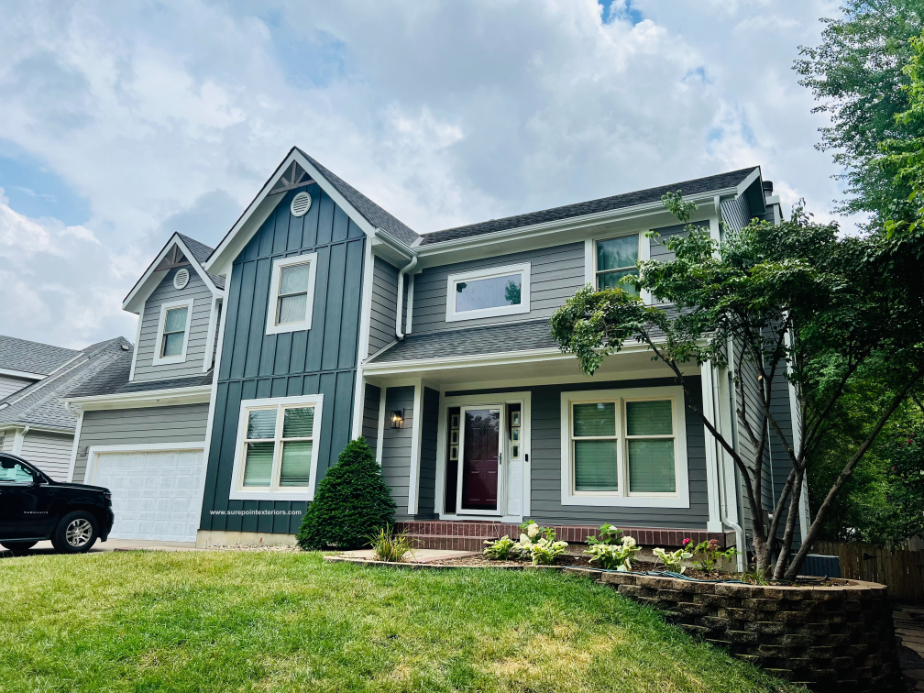
If your rear rooms in Lenexa, especially around Falcon Valley or Craig Woods, feel like a greenhouse after lunch, you are not imagining it. West-facing windows take the brunt of late-day sun, which brings intense radiant heat that overpowers blinds and standard glass. The right energy-efficient glass can cool these rooms without making them dark. Below, we explain how to choose low-E coatings, whether double or triple pane makes the most sense, and how to stay HOA-friendly while upgrading. If you are comparing options now, see how our team approaches replacement windows for Kansas City area homes and use the notes in this guide to dial in the perfect glass package.
Why West-Facing Rooms In Lenexa Overheat
Johnson County summers give you long afternoons with strong, low-angle sun. When the sun hits west-facing glass, most of the heat is infrared energy that streams straight through clear panes and turns into trapped heat indoors. Air conditioning struggles because the gain is radiant, not just from air temperature. Curtains can block glare, but they also trap heat between the fabric and the glass and reduce daylight.
That is why modern low-emissivity coatings are so powerful. They are microscopically thin layers that reflect a large portion of the sun’s invisible infrared heat back outside while allowing plenty of visible light in. Think of them as sunglasses that dim what you do not feel rather than what you see. The key is picking a coating tailored for hot afternoon sun and pairing it with the right number of panes so you get comfort plus clarity.
Low-E Glass Options That Block Heat Without Darkening
Not all low-E is the same. Glass makers stack different layers to tune how much infrared heat and visible light pass through. For Lenexa’s west-facing windows, spectrally selective coatings are your friends because they target heat more than light.
- Balanced low-E: Good all-around performance for mixed exposures. Let's go in moderate daylight while cutting some heat. Works well on north and east sides.
- Sun-blocking low-E: More aggressive at reflecting infrared. Ideal for west and south elevations where the afternoon heat load is highest.
- Room-side low-E variants: Add comfort on cold winter nights by reducing radiant chill, which helps in bedrooms or living rooms you use year-round.
Ask to see visible light transmittance (VT) along with solar heat gain coefficient (SHGC). A smart west-facing package keeps VT reasonably high so the room stays bright while SHGC is pushed down to limit heat. A practical target many Lenexa homeowners like for harsh west sun is SHGC in roughly the 0.20 to 0.28 range, paired with a clear, bright VT. That balance trims heat without making the glass look smoked or mirror-like.
Do not rely on tint alone to solve the problem. Heavy tints can make rooms gloomy at dinner time and may conflict with neighborhood style guidelines. A spectrally selective low-E does the heavy lifting on heat, so you get comfort with a natural look.
Double Pane vs Triple Pane For Afternoon Sun
Homeowners often ask whether triple pane is “required” for west-facing windows. The short answer is that panes and coatings each do different jobs.
Double pane with a high-performance low-E coating already blocks a large share of solar heat. That is because SHGC is primarily driven by the coating chemistry rather than the number of panes. Triple pane adds a third layer of glass and an extra gas space, which further lowers the U-factor. That helps with winter comfort, reduces condensation risk, and trims drafts near the glass. It can also quiet traffic or lawn equipment.
If your main complaint is that the family room bakes from 3 to 7 in the evening, step one is to choose the right low-E formulation for low SHGC. Then weigh the benefits of triple pane:
- Comfort consistency: Triple pane can keep interior glass warmer in winter and cooler in summer, so people sitting near the window feel better.
- Noise reduction: The extra layer can reduce certain outdoor sounds, helpful near busy streets or active backyards.
- Weight and frame choice: Triple pane weighs more. Make sure the frame system and hardware are rated for it and operate smoothly.
In our region, many west-facing rooms are well served by double-pane windows with a sun-focused low-E. Triple pane becomes compelling when you want top comfort in a frequently used space, have large glass sizes, or you want the quiet and winter performance bonuses. The best path is to compare both packages side-by-side on SHGC, U-factor, and VT, then choose the one that meets your comfort goals without dimming your space.
Understanding U-Factor, SHGC, And Visible Light
Three numbers tell you how a window will perform in real life. Keep this simple cheat sheet handy while you compare labels:
- U-Factor: Measures overall insulation. Lower is better against winter heat loss and summer heat flow. This tells you how the whole unit resists temperature transfer.
- Solar Heat Gain Coefficient (SHGC): Measures how much solar heat gets through. Lower is better for hot west-facing glass. Focus here first for afternoon comfort.
- Visible Transmittance (VT): Measures brightness. Higher means more daylight. Pair a low SHGC with a healthy VT so rooms stay bright and comfortable.
Local insight: In Lenexa summers, late-day sun is often the biggest comfort challenge, not just air leaks. Prioritize SHGC for west elevations first, then choose the U-factor and frame that support year-round comfort.
Also check air leakage ratings, spacer type, and gas fill. Argon is common and effective for our climate. Warm-edge spacers help reduce condensation at the glass edge in winter and improve overall performance. Insist on insulating glass units with warm-edge spacers and a verified gas fill so the glass package performs as promised.
HOA-Friendly Choices For Falcon Valley And Craig Woods
Most Lenexa developments encourage a consistent streetscape. While specific rules vary by subdivision and board, many HOAs focus on exterior trim color, grille patterns, and reflectivity. Here is how to upgrade comfort while staying in bounds:
Match exterior color and sheen. Choose frames and exterior trim that blend with the current palette so the change looks original to the home. Avoid mirror-like reflective tints that can appear out of character. Keep grille or simulated divided-lite patterns consistent with nearby homes. If you are adding interior upgrades like a warmer woodgrain, that usually does not affect curb appeal, but confirm with your HOA packet.
Low-E coatings are nearly invisible and are typically accepted when the exterior looks unchanged. If you are changing frame material or trim dimensions, submit the standard architectural review form with photos of the existing windows and a brochure page showing the exterior profile. Your installer should help with samples so you can show how the new glass keeps interiors cooler while the facade still matches the neighborhood style. If you want to see examples of frame profiles and styles used in this area, our overview of replacement windows for Kansas City and Lenexa homes is a helpful place to start the conversation.
Installation Details That Preserve Performance
Great glass is only as good as the installation. Pay close attention to the following so your SHGC and U-factor numbers translate into real comfort:
Use a frame system rated for the glass weight, especially for triple pane in larger sizes. Ensure continuous air sealing around the perimeter and use appropriate flashing so summer storms cannot push moisture behind the trim. Interior foam insulation should be low-expansion and placed so it does not bow the frame. Ask how the crew verifies sash operation after the foam sets. For sliding or casement styles, smooth operation and tight locks are part of energy performance because they keep the seals engaged.
Hardware and screens should match the home’s style and be easy to remove for cleaning. The best upgrades disappear into the design while making life more comfortable every day.
When To Choose Full Window Replacement Versus Glass-Only
If the frames are sound, some owners consider glass-only sash replacements. That can work when the main issue is solar gain in an otherwise tight, modern window. Choose this if your frames are straight, hardware locks tight, and there is no water damage or drafts.
Choose full replacement when the frames are warped, the seals no longer engage, there is recurring condensation or rot, or you want to improve operation and curb appeal at the same time. Full units give you new weatherstripping, locks, balances, and often better air leakage ratings alongside the upgraded glass package.
To explore what fits your home best, you can start with a quick overview on our main site. Many homeowners begin their Lenexa window replacement research there and then narrow down glass packages based on the west-facing rooms that feel hottest.
Putting Double And Triple Pane To The Test In Your Home
Here is a simple way to think about the choice in Lenexa. If your top complaint is a 5 to 10 degree swing in the west rooms late in the day, start by selecting a sun-blocking low-E with SHGC near the lower end of the range and keep VT high for a bright feel. Compare that coating in both double- and triple-pane samples. Stand next to each other on a sunny afternoon and pay attention to how your skin feels, how the light looks on surfaces, and how the room temperature trends over an hour. That real-world check often makes the decision obvious.
For households that use those rooms every evening or want quieter movie nights, triple pane can be worth the extra weight and hardware. For those who mainly need a cooler dinner hour with lots of daylight, a well-chosen double pane with the right coating usually hits the sweet spot.
Frame Materials And Color That Fit Lenexa Architecture
Popular exterior looks in Lenexa developments pair neutral trim with brick or fiber cement siding. You can keep the same look while upgrading performance. Vinyl and composite frames offer strong energy numbers and low maintenance. Fiberglass frames keep lines crisp and hold dark colors well for modern styles. Aluminum-clad wood gives you a classic profile with a durable exterior and a paintable interior if you want to match cabinets or floors.
Pick a factory color that matches the existing trim so there is no need to repaint adjacent areas. Keep sightlines similar to your current windows to protect the original architectural rhythm. Discuss interior glass options like laminated panes if you want extra sound control for a home office or nursery facing the backyard activity zone.
Glare Control Without Losing Evening Light
Harsh glare often accompanies heat in western rooms. Low-E reduces both, but you can also control glare with style choices rather than heavy tints. Consider a slightly taller head rail on shades or a light, open-weave fabric that softens reflections while the low-E coating handles the heat. That way your space stays bright and comfortable during dinner and homework time.
Care And Warranty Considerations
Look for easy-clean coatings that help glass shed dirt after summer storms. Confirm that the low-E coatings are on protected surfaces inside the insulated glass so there is nothing to scratch during cleaning. Review the glass and seal warranties so you know how long the manufacturer backs the unit and what the coverage includes for stress cracks or seal failure. A reliable installer will register the products and show you how to access warranty service should you need it.
Next Steps For Your Home In Lenexa
Walk through your sunny rooms on a clear afternoon and note which windows get the strongest late-day heat. List the times you use those spaces most and how bright you want them to feel. With that in hand, you can compare a sun-focused low-E in double- and triple-pane and decide which balances comfort, clarity, and budget. When you are ready to see samples and discuss HOA-friendly trim and grille choices, our team at Sure Point Exteriors is here to help. Call us at 913-203-8812 to set up a convenient visit.
For more details on styles and operation, review our guide to replacement windows in the Kansas City area and bring your questions about SHGC, U-factor, and visible light. We will help you compare real glass samples in your west-facing rooms so you can feel the difference before you decide.
Ready for Lenexa window replacement that keeps your west rooms cool and bright? Contact Sure Point Exteriors today to schedule your in-home evaluation.